South Africa’s 2026 National Budget may not have delivered headlinegrabbing tax hikes or shock adjustments, but for savers and longterm investors it represents one of the most meaningful packages of taxefficient enhancements in several years. With the new tax year kicking off on 1 March, many of the changes offer immediate opportunities provided investors act early.
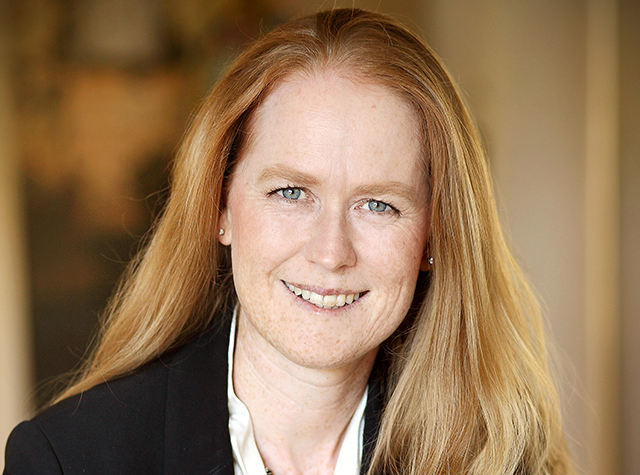
Article by: Niki Giles, Head of Strategy at Prescient Fund Services


A Long-Awaited Boost for TFSA Investors
Among the most notable announcements was the longawaited increase to the annual TaxFree Savings Account (TFSA) contribution limit. Finance Minister Enoch Godongwana confirmed that from 1 March, the cap will rise from R36,000 to R46,000 per year. While the lifetime ceiling remains unchanged at R500,000, the higher annual allowance gives investors more room to shelter returns from tax.
For investors who contribute via monthly debit orders, this adjustment may require rethinking their contribution patterns. Those who simply continue with last year’s debit order risk underutilising the new limit, while maximisers may opt either to increase their monthly contributions or to make a onceoff lumpsum addition of R10,000 at the start of the tax year to bring their total TFSA contribution to the new R46,000 threshold.
Retirement Contributions: An Overlooked but Significant Change for High Income Earners
The TFSA increase arrives alongside a second, less widely discussed but equally impactful update: the rise in the retirement fund contribution deduction limit, moving from R350,000 to R430,000 per year. This is the first adjustment to the cap since 2016, and it has implications for both retirement annuity (RA) investors and corporate retirement fund members. Those who previously calibrated their RA debit orders to align with the old limit may now find themselves contributing below their new deductible potential — something most financial advisers will encourage clients to correct sooner rather than later.
Umbrella fund members are in a similar position. Employees who might have selected their contribution rate based on the old taxdeductible cap, often as part of their annual benefit selection cycle, may wish to revisit their chosen percentage. The higher limit means there is now greater room to channel pretax income into retirement savings, thereby enhancing longterm compound growth while reducing taxable income in the present.
Offshore Allowances Get a Notable Lift
A further development worth noting is the change to offshore investing allowances. The single discretionary allowance, which allows individuals to externalise funds without requiring SARS tax clearance, has doubled from R1 million to R2 million per year. While not directly tied to retirement or TFSA products, the higher allowance expands the flexibility for investors looking to diversify across markets, currencies, and jurisdictions.
Why Acting Early Matters
Across all of these measures, one theme stands out: timing matters. The tax year resets on 1 March, and the earlier investors align their contributions with the new limits, the more they benefit from an extended period of taxadvantaged growth. For TFSA holders, that means maximising the new R46,000 allowance as soon as possible. For RA and umbrella fund members, it means revisiting contribution strategies to ensure they reflect the higher deductible thresholds.
While Budget 2026 did not overhaul the tax landscape, it quietly strengthened the incentives for disciplined savers and longterm investors. Those who make adjustments early in the tax year stand to reap the most meaningful benefits and, importantly, avoid leaving valuable tax advantages unused.
Disclaimer:
Prescient Fund Services (Pty) Ltd is an Authorised Financial Services Provider (FSP 43191).