Meet Thabo, a 28-year-old marketing professional from Johannesburg. He's been diligently saving R2 000 every month in his standard savings account for three years, proud of his R72 000 nest egg. But when he calculated the real purchasing power of his money after inflation, he was shocked to discover he'd actually lost money. His savings had grown in number, but shrunk in value.
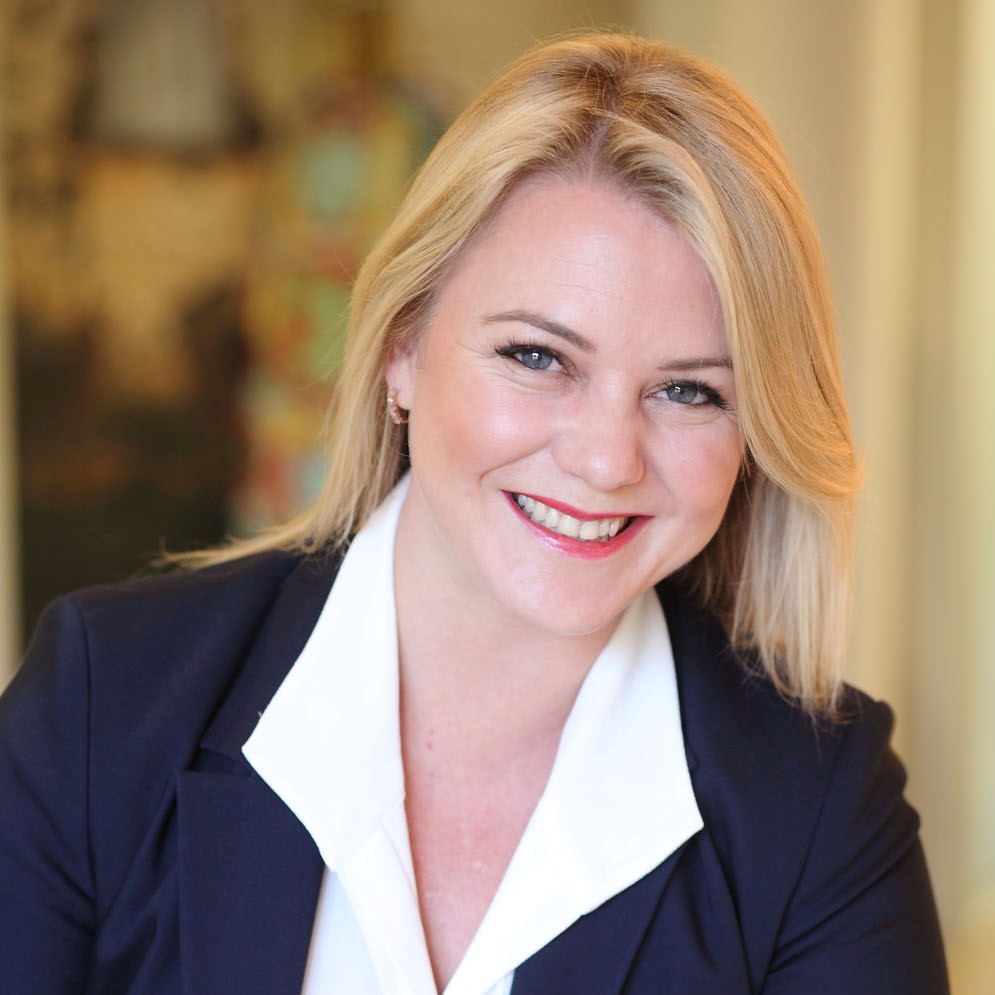
Article by: Kirsty Jacobs, Client Director - Retail at Prescient Investment Management


In a country where economic uncertainty is always present and the cost of living keeps rising, many South Africans have struggled to create a savings regimen that builds wealth over time. However, the financial reality is that achieving financial security isn't just about earning more. It's about making your money work smarter.
The good news is that even small amounts saved regularly mount up over time, and thus you don't need to be a financial expert or start saving with large amounts. What you need is a strategic plan that changes your relationship with money; acting instead of putting your head in the sand.
Define Your Why: Setting Clear Financial Goals
Every successful savings strategy starts with a clear goal. Are you saving for your children's education, a comfortable retirement, or maybe a down payment on your first home? Your investment goals will shape everything from the amount of risk you can take to the investment options that suit your needs.
Write down your financial goals and set specific timelines and amounts for each. A goal to "save money" is too vague. However, "save R100,000 for a house deposit within five years" gives you a clear target to work towards. This clarity will help you make better decisions when faced with spending temptations or investment options.
The Foundation: Financial Education is the Bedrock to Effective Saving
Before you can build wealth, you need to understand the tools available to you. Financial education isn't just about reading investment terms. It's about knowing how money grows, the risks involved, and why some strategies are more effective than others.
Start by dedicating just 30 minutes each week to learning about personal finance. Read reliable financial publications, attend free webinars from banks and investment companies, or explore online resources from organisations like the Financial Sector Conduct Authority (FSCA).
The key is to seek information from trustworthy sources and avoid get-rich-quick schemes that promise unrealistic returns. If an investment opportunity seems too good to be true, it probably is.
Master Your Money Flow: The Power of Budgeting
You cannot invest money you don't have or without knowing where your money goes every month. Creating a budget isn't about limiting yourself. It's about gaining control and making conscious choices about how you spend and what you can realistically save.
Start by tracking your expenses for a month. Use a simple spreadsheet or budgeting app to categorise your spending into needs, wants, and savings. Look for spending patterns and find areas where you can cut back without affecting your quality of life. Even small changes, like bringing lunch to work twice a week or reviewing your insurance for better rates, can free up money for your investment goals.
Eliminate the Wealth Killers: Tackling High-Interest Debt
Before you invest any money, address any high-interest debt you owe. Credit card debt, personal loans, and store accounts often have interest rates of 20% or more annually. Since even the most aggressive investment strategies rarely guarantee returns above 15% consistently, investing while carrying high-interest debt will likely result in losing money.
Create a debt repayment plan by listing all your debts, their interest rates, and minimum payments. Focus on paying off the highest-interest debt first while keeping up minimum payments on others. Once you're debt-free, redirect those payment amounts towards your investment goals.
Build Your Safety Net: The Emergency Fund Priority
Life inevitably throws unexpected expenses your way, like medical emergencies or urgent home repairs. Without an emergency fund, these situations can disrupt your investment plans and force you to sell investments at the worst times.
Before investing in growth assets, build an emergency fund that covers three to six months of your living expenses. Keep this money in an easily accessible account, like a money market fund or high-yield savings account. While the returns may not be high, they offer the peace of mind and financial security you need when unexpected expenses arise.
Spread Your Risk: The Art of Diversification
The saying "don't put all your eggs in one basket" is especially true for investing. Diversification means spreading your investments across various asset classes, industries, and even locations to minimise risk. If one investment does poorly, others will balance out the losses.
For South African investors, this might mean combining local stocks with international shares, adding some bonds for stability, and possibly including property investments. Exchange-traded funds (ETFs) and unit trusts make it easier and cheaper for smaller investors to diversify by providing access to many different investments with a single purchase.
Harness Time's Magic: Understanding Compounding
Albert Einstein reportedly called compound interest the eighth wonder of the world, and for good reason. Compounding happens when your investment returns generate their own returns, creating a snowball effect that speeds up wealth building over time.
The sooner you start investing, the more time the compounding effect has to work for you. Even small, regular contributions can accumulate into significant wealth over decades. A 25-year-old who invests R1 000 monthly at an 8% annual return will have over R1.8 million by age 65. If they wait until age 35 to start, that number drops to about R600 000, despite only delaying by 10 years.
Know Yourself: Understanding Risk Tolerance
Every investment involves some level of risk, and higher potential returns usually come with greater risk. Knowing your personal risk tolerance, which is your ability to handle investment losses, is essential for building a sustainable investment strategy.
Consider factors like your age, income stability, investment timeline, and how you react to market fluctuations. Younger investors can usually afford more risk since they have time to recover from market downturns, while those close to retirement may prefer more conservative approaches.
Stay on Track: Regular Portfolio Reviews
Your investment strategy shouldn't be a "set it and forget it" approach. Markets change, life circumstances evolve, and goals may shift over time. Schedule regular portfolio reviews, perhaps quarterly or semi-annually, to ensure your investments still match your objectives.
During these reviews, determine if your asset allocation still aligns with your risk tolerance and goals. You may need to adjust by selling investments that have risen beyond their target allocation and buying those that have dropped below target levels.
Know When to Seek Help: Professional Financial Advice
While handling your own investments can be fulfilling and cost-effective, complicated financial situations might require professional assistance. Consider consulting a qualified financial advisor if you have multiple financial goals, significant assets to manage, or feel overwhelmed by investment options.
Look for advisors who are registered with the FSCA and who follow a fee structure you understand. A good advisor will help you create a financial plan that includes more than just investment choices. It should also cover tax planning, estate planning, and risk management.
Your Journey Starts Today
Building a savings culture and creating wealth isn't about being perfect. It's about making progress. Start where you are, use what you have, and take consistent steps toward your financial goals. If you follow this savings roadmap, your journey will be shaped by your unique circumstances and dreams.
Remember, the best investment strategy is one you can stick to over time. By understanding these fundamental principles and applying them consistently, you're not just building wealth. You're creating a legacy of financial wisdom that can benefit you and your family for generations.
The path to financial freedom begins with a single step. Take that step today, and let disciplined saving and smart investing change your financial future.
Disclaimer:
Prescient Investment Management (Pty) Ltd is an authorised Financial Services Provider (FSP 612). Please note that there are risks involved in buying or selling a financial product, and past performance of a financial product is not necessarily a guide to future performance. The value of financial products can increase as well as decrease over time, depending on the value of the underlying securities and market conditions. There is no guarantee in respect of capital or returns in a portfolio. The information, opinions and illustrative information, are expressed in good faith and not intended as investment advice. All information provided is of a general nature with no regard to the specific investment objectives, financial situation or particular needs of any person.
No action should be taken on the basis of this information without first seeking independent professional advice.
The information contained herein is provided for general information purposes only. The information and does not constitute or form part of any offer to issue or sell or any solicitation of any offer to subscribe for or purchase any particular investments. Opinions and views expressed in this document may be changed without notice at any time after publication and are, unless otherwise stated, those of the author and all rights are reserved. The information contained herein may contain proprietary information. The content of any document released or posted by Prescient is for information purposes only and is protected by copy right laws. We therefore disclaim any liability for any loss, liability, damage (whether direct or consequential) or expense of any nature whatsoever which may be suffered as a result of or which may be attributable directly or indirectly to the use of or reliance upon the information. For more information, visit www.prescient.co.za.